The Art of Patchwork Leather Crafting: Unleash Your Creativity and Create Functional Beauty
Patchwork leather crafting is an art form that combines the timeless appeal of leather with the creative freedom of patchwork design. This unique hobby allows you to unleash your creativity while working with one of the most versatile and durable materials available. Here's why DIY patchwork leather crafting might be the perfect hobby for you:
Unleash Your Creativity
One of the most engaging perspectives of patchwork leather making is the boundless potential for imaginative expression. Not at all like conventional leatherworking, which frequently takes after strict designs and plans, patchwork permits you to blend and coordinate distinctive colors, surfaces, and shapes to make really special pieces. You can explore with different leather sorts, from smooth and supple to finished and emblazoned, to accomplish diverse visual and material effects.
Accessible for Beginners
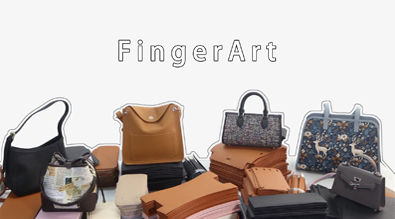
Don't let the term "leatherworking" threaten you. Patchwork leather making is shockingly open for beginners. Numerous units, like those advertised by Fingerart leather, come with pre-punched leather pieces and step-by-step video instructional exercises, making it simple to get started without specialized equipment or broad involvement. As you advance, you can continuously contribute to more advanced devices and procedures to extend your skills.
Create Functional Art
One of the most fulfilling aspects of patchwork leather making is the capacity to make wonderful, utilitarian things that you can utilize in your everyday life. From a la mode satchels and wallets to embellishing domestic adornments, your manifestations will not only grandstand your creative gifts but also serve commonsense purposes. This combination of shape and work makes patchwork leather a really fulfilling hobby.
The Art and Science of Patchwork Leather Crafting
Patchwork leather creation is a captivating mix of creative expression and specialized aptitude. To truly appreciate and excel in this craft, it's fundamental to get both the imaginative and down-to-earth angles of working with leather. Let's explore the craftsmanship and science behind this unique hobby:
Understanding Leather Types
At the heart of DIY patchwork leather crafting is, of course, the leather itself. Different types of leather offer varying characteristics that can significantly impact your finished product:
- Top-grain leather: Known for its durability and natural appearance, top-grain leather is an excellent choice for high-quality, long-lasting projects.
- Full-grain leather: This is the highest quality leather, featuring natural imperfections that add character to your work.
- Suede: Soft and velvety, suede can add interesting texture contrasts to your patchwork designs.
- Vegetable-tanned leather: This eco-friendly option is perfect for those who prefer more natural materials in their crafting.
Understanding these different leather types allows you to choose the best materials for your specific project, balancing aesthetics, durability, and workability.
Design Principles in Patchwork
While patchwork allows for free-form creativity, understanding basic design principles can elevate your work:
- Color theory: Learn how different colors interact to create harmony or contrast in your designs.
- Balance: Understand how to distribute visual weight across your patchwork to create pleasing compositions.
- Repetition and variation: Use repeating elements to create cohesion, while incorporating variations to add interest.
- Texture: Experiment with combining smooth and textured leathers to add depth to your designs.
By mastering these principles, which are not only unique but also visually striking and professionally crafted.
Essential Techniques
To bring your patchwork leather designs to life, you'll need to master a few key techniques:
- Cutting: Precision is key when cutting leather pieces for your patchwork. Sharp tools and steady hands are essential.
- Stitching: Whether hand-stitching or using a machine, learning proper stitching techniques ensures your patchwork holds together beautifully.
- Edging: Finishing the edges of your leather pieces gives your work a polished, professional look.
- Gluing: Understanding when and how to use adhesives can help you achieve clean seams and secure attachments.
As you practice these techniques, you'll develop the skills needed to tackle increasingly complex patchwork leather projects.
Getting Started with Patchwork Leather Crafting
Now that you're intrigued by the possibilities of patchwork leather crafting, you might be wondering how to take your first steps into this exciting hobby. Here's a guide to help you get started:
Essential Tools and Materials
To begin your patchwork leather crafting journey, you'll need a few basic tools and materials:
- Leather: Pre-cut leather pieces or scraps in various colors and textures.
- Sewing supplies: Needles and thread (for hand sewing).
- Rulers and marking tools: For precise measurement and marking.
Many beginners find it helpful to start with a kit that includes pre-cut leather pieces and basic tools, allowing you to focus on learning techniques without worrying about sourcing materials.
Choosing Your First Project
When selecting your first DIY patchwork leather project, consider starting with something small and simple to build your confidence and skills:
- Keychain or luggage tag: These small accessories are perfect for practicing basic stitching and design.
- Coin purse: A slightly larger project that introduces working with closures and lining.
- Tablet sleeve: This project allows you to create a larger patchwork design while still keeping the construction relatively simple.
As you pick up involvement, you can advance to more complex ventures like satchels, wallets, or indeed clothing accessories.
Learning Resources
To support your learning journey, take advantage of the various resources available:
- Online tutorials: Many websites and YouTube channels offer free tutorials on patchwork leather crafting techniques.
- Books and magazines: Look for publications specifically focused on leather crafting or patchwork techniques.
- Local workshops: Check if there are any leather crafting classes offered in your area for hands-on learning.
- Online communities: Join forums or social media groups dedicated to leather crafting to connect with fellow enthusiasts and get advice.
Remember, persistence and patience are key as you set out on your patchwork leather travel. Each venture will offer assistance you refine your abilities and create your special style.
Conclusion
Patchwork leather creates a delightful mix of inventiveness, skill-building, and individual expression. Whether you're drawn to the material joy of working with high-quality leather, the fulfillment of making useful craftsmanship, or the bliss of gifting high-quality things, this pastime has something to offer everybody. As you investigate the world of DIY patchwork leather, you'll find a fulfilling leisure activity that not only produces wonderful, enduring manifestations but also gives a satisfying imaginative outlet. Ready to begin your patchwork leather-creating experience? Fingerart leather offers an extensive range of beginner-friendly units, premium materials, and master direction to assist you in plunging into this energizing side interest. Our assortment of styles, high-quality leather, and comprehensive video instructional exercises make it simple for devotees of all levels to create stunning patchwork leather pieces. Whether you're in the US, UK, Canada, Australia, or past, we're here to back your imaginative journey.
Frequently Asked Questions
1. Do I need any special skills to start patchwork leather crafting?
No uncommon aptitudes are required to start creating patchwork leather. With beginner-friendly units and step-by-step instructional exercises, anybody can begin making excellent leather pieces. Fundamental hand-eye coordination and tolerance are accommodating, but the procedures can be learned as you practice.
2. How much time does it typically take to complete a patchwork leather project?
The time required shifts depending on the project's complexity and your encounter level. A little thing like a keychain might take a few hours, whereas a bigger endeavor like a satchel might take a few days. As you pick up involvement, you'll likely end up speedier and more effective in your crafting.
3. Can I incorporate other materials into my patchwork leather projects?
Absolutely! Numerous crafters appreciate combining leather with texture, metal components, or indeed wood to make one-of-a-kind mixed-media pieces. This flexibility is a part of what makes patchwork leather making so energizing and creative.
Unlock Your Creativity with DIY Patchwork Leather Crafting | Fingerart Leather
Ready to set out on your patchwork leather-making travel? Fingerart leather is here to direct you every step of the way. Our premium DIY units, high-quality materials, and comprehensive video instructional exercises make it easy for beginners to create stunning leather pieces. Whether you're creating for yourself or making ardent blessings, our assortment of styles and persistently updated plans guarantees you'll always find inspiration.
Don't let your inventiveness remain torpid any longer. Investigate our collection of DIY patchwork leather packs and begin bringing your special dreams to life nowadays. For personalized advice, custom orders, or any questions about our products, please don't hesitate to reach out to us at official@fingerartleather.com. Let Fingerart Leather be your partner in discovering the joy of patchwork leather crafting!
References
1. Smith, J. (2022). The Art of Patchwork Leather: Techniques and Inspiration. Craft Publishing House.
2. Johnson, E. (2021). Sustainable Crafting: Eco-Friendly Approaches to Leather Work. Green Crafts Magazine, 15(3), 45-52.
3. Brown, A. (2023). From Novice to Expert: A Journey Through DIY Leather Crafting. Handmade Living Journal, 8(2), 112-120.
4. Davis, M. (2022). The Psychology of Crafting: How Hobbies Enhance Well-being. Crafting Psychology Review, 10(1), 78-85.
5. Wilson, R. (2023). Traditional Techniques Meet Modern Design: The Evolution of Leather Crafting. Contemporary Craft Quarterly, 7(4), 33-40.
6. Lee, S. (2021). The Global Impact of Handmade: Exploring Artisanal Economies. International Craft Economics Journal, 12(2), 156-164.