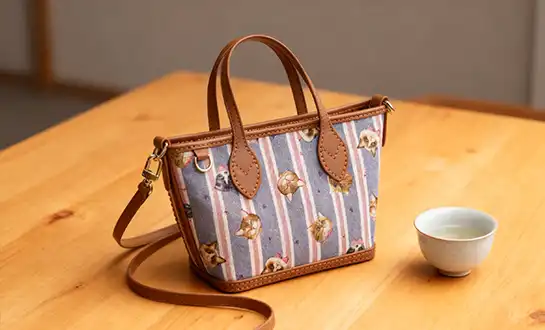
A patchwork leather project is a fun way to exhibit your creativity. It has the classic look of leather and the personal touch of being created by hand. A lot of people who want to make things are drawn to this type of art. They want to make one-of-a-kind, useful things like purses and other accessories. At first, the process may appear complicated. But anyone can start with the correct help and materials. This tutorial will show you the most important first steps. We will talk about how to choose materials, learn fundamental methods, and plan your first project. You can make a patchwork leather creation that is quite unique. You can pick colors, textures, and patterns that show off your flair. The end result is a unique artwork that you will love. Let's open the door to your new favorite hobby together.
Essential Tools and Materials for Your First Project
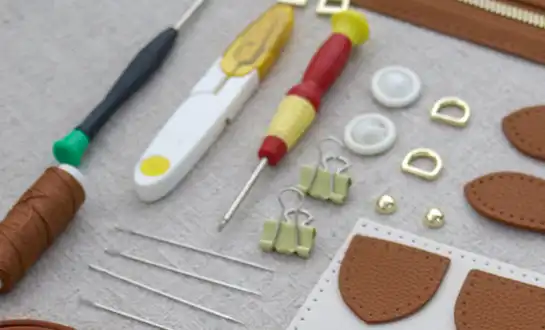
Gathering the right supplies is the first step to success. Quality materials make the process smoother and more enjoyable. They also ensure your finished project looks professional and lasts for years.
Choosing Your Leather and Fabric
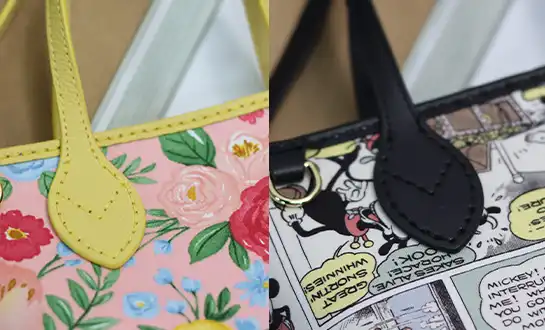
Selecting materials is a foundational decision. For patchwork leather project, you often combine leather with fabric. This creates visual interest and textural contrast. Top-grain cowhide is an excellent choice for beginners. It is durable yet manageable. Pair it with a complementary fabric for the main panels. Our Mini Tote Bag DIY Kit uses this combination perfectly. The kit includes pre-cut leather and fabric panels. This eliminates the guesswork for your first project. You receive a coordinated set designed for a stylish outcome. Consider the project's purpose when choosing materials. A bag requires sturdy leather. A small pouch can use softer pieces. Always feel the leather before you buy. It should be supple but strong.
Must-Have Tools for Assembly
You do not need a vast workshop to start. A few key tools will get you going. Your kit from Fingerart Leather includes the essentials. You get waxed thread, needles, and necessary hardware. Use a self-healing cutting mat to protect your surfaces. Good lighting is crucial for detailed work. A comfortable chair makes long crafting sessions pleasant. Keep your tools organized in a small box. This saves time and reduces frustration. Investing in quality tools from the start pays off. They make the crafting process more efficient and rewarding.
Understanding Hardware and Embellishments
Hardware adds both function and style to your project. D-rings, clasps, and zippers are common components. Our kits include high-quality, matching hardware. This ensures a cohesive and professional look. For a patchwork design, consider how hardware integrates. A sleek buckle can become a focal point. Magnetic snaps provide easy closure. When selecting your own, choose brass or nickel-plated options. They resist tarnishing over time. Embellishments like stamps or dyes offer further customization. They allow you to imprint personal symbols or names. Plan your hardware placement during the design phase. This prevents mistakes during assembly.
Step-by-Step Guide to Assembling Your First Piece
Following a clear process turns materials into a masterpiece. This section breaks down assembly into manageable stages. We will use the Mini Tote Bag as our example. Its design is ideal for learning fundamental techniques, including a patchwork leather project, which is a fantastic way to explore different textures and colors in leatherwork.
Preparing and Organizing Your Pieces
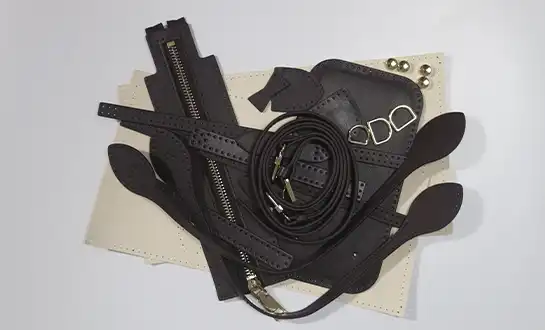
Begin by laying out all your kit components. Identify each leather piece and fabric panel. Check them against the instruction guide. Our kits feature pre-punched holes and pre-cut shapes. This saves you significant time and effort. Familiarize yourself with the bag's structure. Understand which pieces form the sides, base, and handles. Organize your thread, needles, and tools within easy reach. This preparation prevents mid-project pauses. It also reduces the chance of errors. A clean, organized workspace is vital. It allows you to focus entirely on the creative task.
Mastering Basic Stitching Techniques
Hand-stitching is the heart of traditional leatherwork. The saddle stitch is a strong and attractive method. It uses two needles, one on each end of the thread. Pass the needles through the same hole from opposite sides. Pull the thread tight after each stitch. This creates a locked, durable seam. Practice on scrap leather first. Develop a consistent rhythm and tension. Even stitches enhance the project's beauty. Our HD instructional videos demonstrate this technique clearly. Watch them before you begin. They provide visual guidance that written instructions cannot. Take your time with each stitch. Rushing can lead to mistakes. Enjoy the meditative quality of hand-sewing.
Attaching Handles and Final Hardware
The final assembly stage brings everything together. Attaching the handle requires precision. Align it carefully with the pre-marked positions. The structured leather handle provides a classic look. The adjustable shoulder strap offers versatility. Secure them with the provided rivets or screws. Ensure all connections are tight and secure. This is crucial for the bag's longevity. Test the movement of the strap. It should glide smoothly through the D-rings. Finally, do a overall inspection. Check every stitch and connection. Your beautiful, handmade Mini Tote Bag is now complete.
Design Inspiration and Advanced Tips

Once you master the basics, a world of creativity opens. Your patchwork leather project can evolve in countless directions. Draw inspiration from your surroundings and personal style.
Finding Your Unique Aesthetic
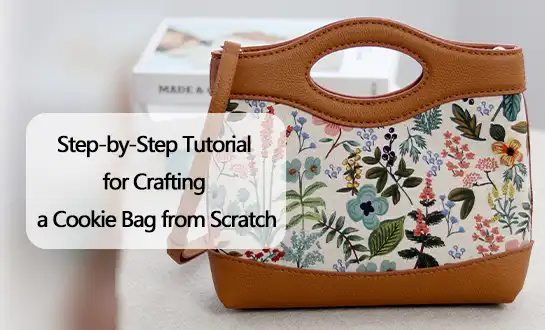
Your personal style should guide your designs. Look at fashion trends, nature, and art. Create a mood board with colors and textures you love. Patchwork is inherently versatile. Mix different shades of leather. Combine a floral fabric with a neutral leather trim. Our kits come in multiple color options. This allows for easy customization. Do not be afraid to experiment. Start with small variations on a proven design. As confidence grows, so can your ambition. Document your projects with photos. This creates a portfolio of your progress. It is also a wonderful way to share your passion with others.
Exploring Color and Texture Combinations
Color theory can elevate your project. Analogous colors (next to each other on the color wheel) create harmony. Complementary colors (opposites) offer vibrant contrast. Consider the season or occasion. A bright, colorful patchwork bag is perfect for summer. A muted, tonal piece works for formal settings. Texture adds another dimension. Smooth leather against a nubby fabric is intriguing. Our top-grain cowhide has a beautiful, natural grain. It pairs wonderfully with soft cotton or linen. Think about the visual weight of your choices. Darker, thicker leather feels more substantial. Lighter colors and fabrics feel airy and fresh.
Planning for Gifts and Special Occasions
Handmade leather gifts are deeply personal and appreciated. A patchwork leather keychain is a quick, thoughtful project. A custom-designed tote bag makes a magnificent birthday present. Consider the recipient's taste. Choose colors they wear often. Incorporate elements that reflect their hobbies. Monogramming adds a special, personal touch. Our DIY kits are perfect for gift crafting. They provide all the materials for a successful outcome. The recipient will value the time and skill you invested. Crafting for others doubles the joy of the hobby. It allows you to share your passion and create lasting memories.
Frequently Asked Questions
Q1: Is patchwork leather crafting suitable for absolute beginners?
A: Yes, absolutely. Projects like our Mini Tote Bag DIY Kit are designed for newcomers. The kits include pre-cut and pre-punched materials. This removes the most challenging steps for beginners. Clear, high-definition video guides walk you through each process. You can start with no prior experience and achieve a beautiful result.
Q2: How long does it typically take to complete a first project?
A: Completion time varies by project size and complexity. A small item like a keychain may take a few hours. A mini tote bag might be an enjoyable weekend project. We recommend setting aside 4-6 hours for your first bag. Work at a comfortable pace. Do not rush. The goal is to enjoy the creative journey as much as the final product.
Q3: Can I wash a bag made with leather and fabric?
A: We do not recommend machine washing. Spot cleaning is the best method. Use a slightly damp cloth for the leather sections. For the fabric panel, gentle dabbing with a mild soap solution works well. Always air dry the bag away from direct heat or sunlight. Proper care will maintain the beauty of your handmade piece for many years.
Your Next Creative Journey Awaits | Fingerart Leather
You now know enough to start your first patchwork leather project. This fun activity lets you be creative and express yourself in many ways. Fingerart Leather is all about giving people like you the tools they need to make things. We offer high-quality do-it-yourself kits, tools, and help with instructions. We make things that are perfect for craftsmen between the ages of 25 and 65. Our main goal is to make it easy for newcomers to get started. We are always adding new styles to our wide range. We employ high-quality hardware and top-grain cowhide. This makes sure that your designs are both gorgeous and long-lasting. Don't let doubt stop you. We are here to help you in our neighborhood. We can help you with both custom and bulk orders as your needs change. Get ready for the next step in your creating journey.Contact us today to explore our collections. Let us help you bring your next beautiful idea to life. Reach out at official@fingerartleather.com.
References
1. The Leather Craft Society. "Fundamental Techniques for Hand-Stitching Leather." 2022.
2. Journal of Craft and Design. "The Psychology of Color in Textile and Leather Arts." Volume 45, 2021.
3. Global Handmade Goods Market Analysis. "Consumer Trends in DIY Craft Kits." 2023.
4. American Craft Council. "A History of Patchwork in Functional Art." 2020.
5. Textile and Leather Arts Quarterly. "Selecting Materials for Mixed-Media Projects." Issue 18, 2022.
6. International Association of Artisans. "Best Practices for Durable Leather Goods Construction." 2023.