How do I choose a patchwork leather kit?
Some people may find it both exciting and terrifying to choose the right leatherworking tools to accomplish their own work. Have you worked with leather before? A proper set of tools is essential. You should consider the task's difficulty, the patchwork leather kit's included tools, and your intended usage before making a purchase. Which leather kit should you choose? Verify that the set is suitable for your degree of expertise, that it comes with all the necessary tools, and that it has clear instructions. Before you start making, give these things a lot of thought. Doing so will assist you in making a one-of-a-kind and beautiful leather product. Consider these points carefully as you shop for professional leather gear.
What should be included in a complete patchwork leather kit?
The patchwork leather kit should have everything you need to make your project real. In a good kit, you should find the following:
Important Parts:
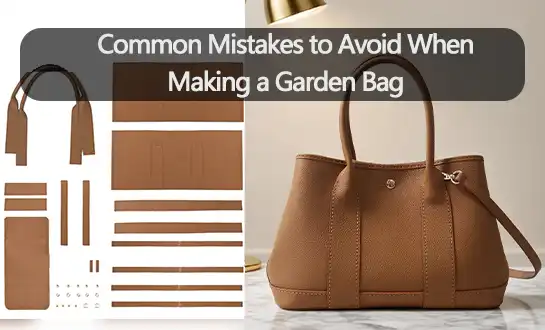
- Already cut leather parts: High-quality leather that has been cut into numerous shapes and sizes with care
- Thread: A strong, waxed thread developed primarily for stitching leather
- Needles: Strong, sharp needles that work well for sewing leather
- Pattern or template: A pattern or template for assembling the leather pieces
- Step-by-step instructions: Instructions on how to finish the project step by step
Things that aren't necessary but are useful:
- Leather conditioner: To keep the end product looking great and safe
- Parts that are just for looks, like rivets, studs, or other ornamentation
A well-curated patchwork leather kit should feature everything you need to finish your project from start to finish. Not only does using superior tools and materials make the creative process more pleasurable, but it also makes the finished product look more professional. Keep in mind that the kit's quality and value usually depend on how complete it is.
Leather quality, tools, and pre-punched pieces: kit comparison checklist
When comparing different patchwork leather kits, it's crucial to think about how good the materials and equipment are. Look at this list to find out how well the kits work and how they stack up against each other:
The quality of the leather:
- There are different kinds of leather, such as full-grain, top-grain, and real leather.
- Thickness: the correct amount for the job (typically 2 to 4 ounces for little objects)
- Consistency: All of the parts have the same color and feel.
- Finish: A surface that is smooth and even, with no blemishes or flaws
- Flexibility: tough enough to last but easy to work with
How good are the tools?
- Sharpness: Tools should be sharp and ready to use right away.
- Versatility means that a tool can accomplish more than one thing.
- Brand reputation: Tools from well-known firms are often of higher quality.
Parts that have already been punched:
- Accuracy: The holes should be exactly where the pattern indicates they should be.
- Cleanliness: The borders around the holes should be smooth and clean.
- Consistency: All of the parts have holes that are the same size.
- Alignment: The holes should line up correctly when the pieces are placed together.
- Spacing: The correct amount of space between holes to ensure sewing is safe
Things to Think About:
- The thread should be strong and waxed so that it doesn't fray easily
- Sharpness of needles: Needles should be sharp enough to go through leather without bending
- Instructions that are easy to understand: Instructions that are simple to comprehend and follow
- using pictures: Packing that keeps all the pieces safe
- Help for customers: You can get help if you have questions or concerns
When you think about these things, you might make a smart choice when you pick out a patchwork leather kit. Remember that getting a good kit can make a major difference in how much fun you have building and how well your finished project works. Don't be hesitant to call the folks who create or sell kits to learn more about the quality and features of their products.
How to match a kit to your skill level and project goals
You should pick a patchwork leather kit that is right for your degree of skill and the goals you have for the project. This is how to make sure you obtain the appropriate set:
To test your skill level:
- Seek kits that already have holes punched in them, have simple designs, and come with easy-to-follow instructions.
- For the intermediate level, pick kits with harder patterns and some advanced skills.
- Advanced: Pick kits with designs that are hard, that demand more than one method, or that let you tweak things to fit your needs.
Setting Goals for Your Project:
- Things that work: Choose kits for useful things like wallets, purses, and belts.
- Decorative items: Pick kits for creative crafts that are hard to manufacture, such as wall hangings or coasters.
- Making gifts: Look for kits that help you make gifts that are unique.
- Skill development: Choose kits that teach you how to utilize new tools or learn new things that you want to know.
How to Make Sure Kit Features Work for You:
- Time commitment: Think about how long it will take you to finish, and pick a kit that works with your schedule.
- Customization options: If you like to be creative, choose kits that let you make them your own.
- Make sure the kit comes with all the equipment you need, or that you can buy any items you need separately.
- How tough is it? Pick a kit that will be hard for you but not too hard.
- Help resources: Look for kits that include customer support or video tutorials to help you.
Long-Term and Short-Term Goals:
- Begin with simple kits and move on to more difficult ones.
- By looking at kits that are part of a series, you can get better at what you do over time.
- Find kits that can be used for a lot of different things and that will help you gain skills that will be useful in the future.
- Get some decent equipment that will help you get better at working with leather.
Don't forget that the process and the final product are what make working with leather enjoyable. Picking a kit that fits with what you already know and challenges you a little can make the experience fun and educational. Don't be scared to push yourself, but be honest with yourself about how much time and patience you have. You can try out more complicated kits and even start crafting your own patchwork leather things as you get stronger and more confident.
Conclusion
If you work with leather, choosing the right leatherworking tools is one of the most important decisions you can make. Think about what's in the kit, how good the materials are, and how well they fit your skill level and project goals. Then you can have a great time making. Make sure you look at how good the leather, tools, and pre-punched pieces are when you compare kits. Do easy tasks at first and then harder ones as you get better and feel more sure of yourself.
Fingerart Leather has a number of patchwork leather kits for people who want to sew and make gifts, especially women between the ages of 25 and 65. Our kits include high-quality hardware, full HD training videos, and top-grain cowhide. They are fantastic for manufacturers of all levels in the US, UK, Canada, Australia, and other European countries.
Are you ready to work with leather on your next project? Fingerart Leather has a huge selection of styles that are always changing. You can also make beautiful leather stuff on your own. We want to be there for you every step of your creative journey. We offer both personalized and wholesale services, and we make it easy for new customers to get started. Please don't hesitate to get in touch with us if you need more information or help picking out the best patchwork leather kit for your next project.
Frequently Asked Questions
1. How long does it generally take to execute a project with a patchwork leather kit?
It could take a long time to finish a patchwork leather kit project, depending on how complicated the pattern is and how competent you are at it. A simple project might just take 2 to 4 hours, whereas a more difficult one could take 8 to 12 hours or more. You should take your time and enjoy the process because haste can produce blunders.
2. Can you modify the colors or patterns in a leather patchwork kit?
Many patchwork leather kits come with colors and patterns that have already been picked out. On the other hand, some kits let you pick the colors or add your own decorations. Look for kits that state you can change them, or call the firm to find out what you can do with them.
3. Are patchwork leather kits safe for youngsters and teens?
Some patchwork leather kits are created for kids and teens, and kids and teens can use them with an adult watching. Kits that declare "kid-friendly" or "beginner level" are often easier to use and come with tools and holes that are safe for youngsters to use. Always examine the age range that the maker offers before you buy a kit for a young artist.
Discover the Joy of Leatherworking with Patchwork Leather Kits | Fingerart Leather
Are you ready to work with leather? Fingerart Leather features a lot of different patchwork leather kits that will make crafters of all skill levels happy and give them ideas. Our kits have everything you need to manufacture beautiful leather goods by hand, like high-quality materials and easy-to-follow instructions. We have the appropriate kit for you, whether you want to learn a new pastime, produce a unique gift, or get better at being creative. Don't pass up the chance to build something truly unique with your own hands. Please email us at official@fingerartleather.com if you want to learn more about our products or pick the perfect patchwork leather kit for your next project. Fingerart Leather can guide you around the fun world of leatherwork!
References
1. Smith, J. (2022). The best guide to making leather patchwork. Artists should push for
2. Johnson, E. (2021). How to Choose the Best Leather for Your Projects. Leather Crafters Journal, 15(2), 23–28.
3. Brown, A. (2023). Tools of the Trade: Important Tools for Working with Leather. Craft Enthusiast Magazine, 7(4), 45–52.
4. Davis, M. (2022). Going from a beginner to a master at mending leather. DIY Leather Crafts, 9(3), 12–18.
5. Wilson, R. (2023). Ways to make leather patchwork art and ideas for doing so. Handwriting Heritage for Publication.
6. Thompson, L. (2021). How to make leather in a method that doesn't hurt the environment. Eco-Friendly Artisan, 6(1), 33–39.

Enter your email address to get 10% off global products.
About FingerArt