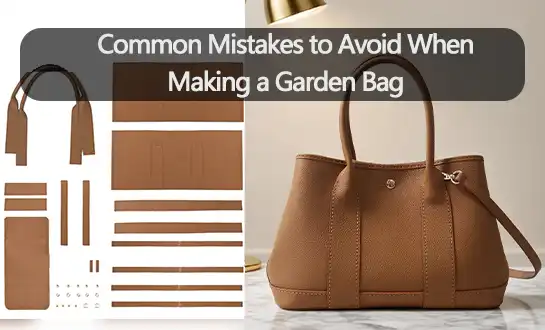
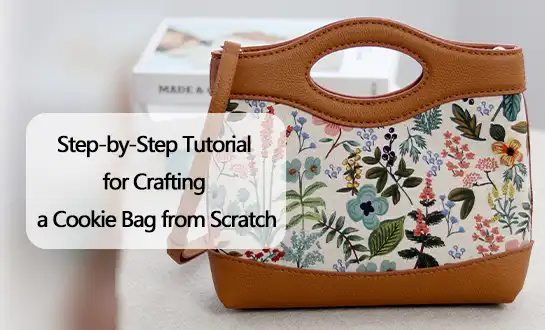
Handmade Leather and Fabric Bag DIY Kits for Creative Gift Buyers
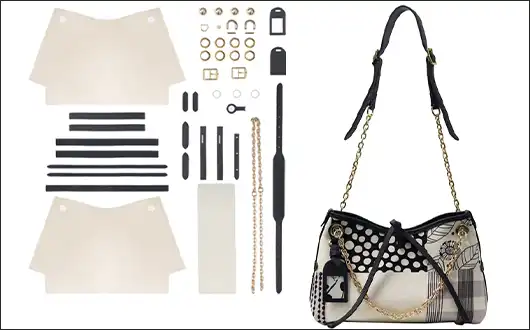
Do-it-yourself leather and cloth kits for making leather and fabric bags are a fun way for artists to express their creativity while making one-of-a-kind things. These full kits have high-quality materials and easy-to-follow directions, so anyone who wants to make leather crafts can use them. With Leather & Fabric Kits, you don't have to worry about finding each part separately. They come with high-quality tools (including needles, threads, finger cots, scissors, binder clips, screwdrivers), clear instructions, and pre-punched leather pieces, so you can make beautiful bags by hand. These kits have become thoughtful gifts as do-it-yourself projects become more popular. The person who receives them will enjoy both making something and having a unique ornament.
Understanding Leather and Fabric Bag DIY Kits: Types, Materials, and Benefits
You can make a lot of different bags by yourself now that there are so many carefully chosen materials and new kit designs. Knowing the different kinds helps artists pick the right project for their skill level and style.
Types of DIY Bag Kits Available
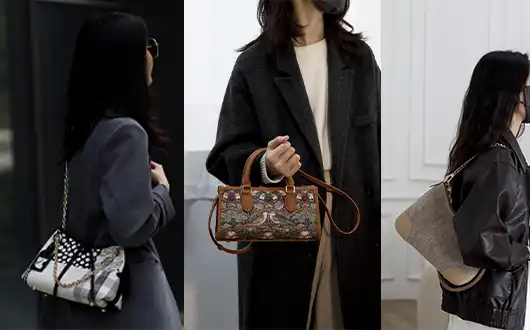
Today, there are many kinds of making tools, and each one is made to fit the needs and skills of a different person. You can use real leather or high-quality fake leather in full leather kits to make traditional things. Most of the time, these kits come with top-grain leather pieces that have already been carefully cut and punched to make putting them together easy. For people who like to work with crafts, fabric-only options come in canvas, cotton, linen, and threads and tools (including needles, threads, finger cots, scissors, binder clips, screwdrivers) that match. When you put leather and fabric parts together in different ways, you can make new patterns. With these mixed methods, crafters can try out different textures and find new ways to put things together. The DIY Dragon Tassel BB Bag Kit is a great example of this method. It is made of high-quality leather that comes in different colors and has holes already punched in it to make hand-stitching easy.
Premium Materials and Quality Components
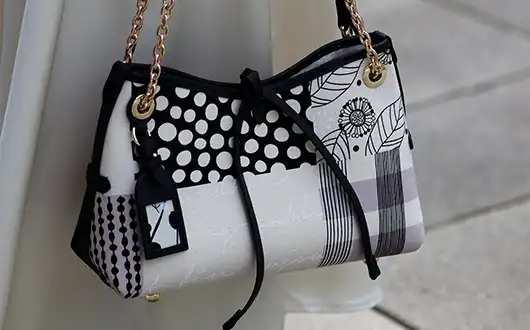
The elements' quality has a direct impact on both the process of making something and how long it lasts. It is easy to work with and looks great for a long time, so top-grain leather is the best leather for making things. It takes on its own personality over time, creating unique aging patterns that make the bag look better. High-quality items that won't rust and will always work include zippers, clips, and pins made of brass or stainless steel. It is very important to pick the right thread. Polyester threads that have been wax-coated are harder and can handle the weather better than regular cotton threads. A lot of high-end kits come with treatments and cleansers for leather that make the bag last longer.
Benefits for Creative Gift Buyers

Crafters like giving do-it-yourself kits as gifts because they show you care and give the recipient something helpful right away and in the long run. These kits are different from most gifts because they give you important lessons that last for weeks while you have fun making them. The gift is unique and special because the person who gets it learns new skills while making something that is only for them. The teaching part is very helpful because crafters can learn how to use standard tools (including needles, threads, finger cots, scissors, binder clips, screwdrivers), leather and cloth kits, and materials that are good enough for pros. With video lessons and clear instructions, anyone can achieve, even people who have never done it before. This eliminates anger and boosts confidence. This training part turns a simple gift into a useful experience that could make someone love working with leather for a long time.
How to Use Leather and Fabric Bag DIY Kits: Step-by-Step Guide for Efficient Production
For do-it-yourself bag projects to go well, you need to plan ahead and stick to tried-and-true ways of making. You can get good results and avoid making common mistakes if you know the whole process from start to finish.
Preparing Your Workspace and Materials
The key to finishing a job well is to plan your steps carefully. Setting up a dedicated area with good lighting and comfy chairs is important when working with leather because you need to be careful and accurate. Put the kit's parts in order and check each one against the list that came with it to make sure nothing is missing before you start. Good designers use a method called "Basic Framework + Creative Modules" that guarantees a lot of success while still letting you make things your own way. As much as 70% of the design is ordered, this method still lets you be creative with the other 30%. That way, crafters will know when to carefully follow the rules and when it's okay to try something new.
Mastering Essential Techniques
The most important skill for making leather bags is being able to sew them by hand. For beginners, pre-punched holes make this process a lot easier. For hundreds of years, leather workers have used the saddle stitch method to make lines that are strong and look good. You use two needles at the same time to make stitches that stay put even if one thread breaks. Edge finishing techniques can make items look like they were made by a pro, even if they look like they were made by a beginner. The ends of leather are burnished with special tools included in the kit. This makes the surface smooth and shiny, so it doesn't tear or wear down. Water-based edge paints cover even more and let you match the colors to the fashion of the bag.
Quality Control and Finishing Touches
When you build, if you pay attention to the little things, you can avoid problems that are hard to fix later. Making sure the stitch tension stays the same keeps the look even and the stitches strong enough. If you test the gear before you put it together, you won't have to stress over finding broken parts after the job is done. During the final check, leather and cloth kits, all stress points should be checked, as well as the alignment of any artistic parts, and the ease with which the locks work. Putting your own stamp on kit-based projects with simple color combinations can make them truly one-of-a-kind works of art.
Care and Maintenance Tips for Finished Leather and Fabric Bags
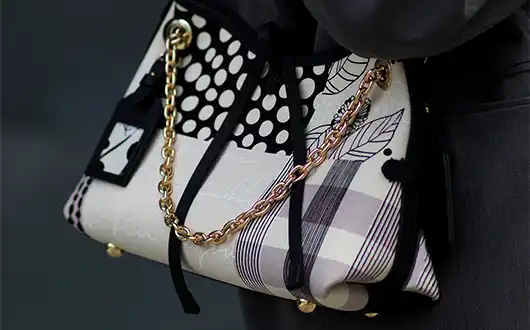
Handmade bags last longer, stay beautiful, and are still useful if you take good care of them. By taking good care of their bags, people can protect their investment and keep their good looks for years to come.
Leather Care Fundamentals
Leather bags should be conditioned often so that they stay soft and don't crack. Good leather cleansers replace the natural oils that wear off over time by going deep into the leather. It softens leather and brings out its natural beauty by making it a little darker and glossier every three to six months. For bags that aren't being used, the environment keeps them safe while they are being kept. The color will not fade if you keep it out of direct sunlight, and mold growth and too much drying will not happen if you keep the humidity level normal. Putting tissue paper inside bags keeps them flat while still letting air pass through.
Fabric Component Maintenance
Different parts of cloth need different ways to be cared for, depending on the type of material. If the cloth is delicate, it might need to be cleaned by a professional. Canvas and cotton parts can usually be washed in a light machine. When you clean spots, they go away right away, before they get fixed. Using methods that keep water out of clothes makes them last longer when they are outside. Now, spray-on solutions are a good way to protect fabrics without making them look or feel different. Normal use wears off treatments over time, so they need to be put on again every year to keep safety high.
Hardware Longevity
It's a good idea to clean metal tools every once in a while with products that get rid of rust without hurting the finishes. Brass parts get a natural sheen over time that many people like better than shining them all the time. A stainless steel gear doesn't need much care; all it needs is to be cleaned every so often with very mild soap. Every once in a while, you should use products made just for leather goods to oil moving parts like zippers and buttons. This care keeps things from getting stuck, extends their useful life, and makes sure they work well.
Conclusion
DIY kits for leather and fabric bags make it simple for makers to create projects that look like they were done by professionals. These complete kits come with high-quality materials and expert tips that can help both new and experienced makers get great results and find new challenges. Well-thought-out modern kits, especially those with pre-punched leather and full video lessons, leather and cloth kits make it easier to work with leather while still letting you enjoy the process of making something by hand. Projects get done well, and students learn skills they can use in future projects when they have access to good tools (including needles, threads, finger cots, scissors, binder clips, screwdrivers) and well-planned lessons. Craft lovers will love these kits as gifts because they let them be creative right away and can be used for a long time. You will enjoy making more, and the things you make will last longer if you know how to pick out materials, put them together, and take care of them.
FAQ
1. What makes pre-punched leather kits suitable for beginners?
You don't need any special leather cutting tools to make sure the holes are in the right place and the right size when the holes are already punched. One of the hardest parts of leatherworking for newbies is taken care of by this feature. Now, people can just focus on learning how to stitch and put things together without having to worry about how accurate the structures are.
2. How long does it typically take to complete a DIY bag kit?
How long it takes depends on how hard the plan is and how much experience the person has. Most people who make things do easy jobs like the Dragon Tassel BB Bag over several sessions that last eight to twelve hours each. Plans with a lot of details can take twenty to thirty hours to finish, so they're great for long weekend projects.
3. Can DIY bag kits accommodate different skill levels?
Good kit makers make items for people with different levels of skill by clearly marking the level of difficulty and the experience level needed. Beginner kits come with simple building steps and guidelines that are easy to understand. On the other hand, advanced kits have designs that are harder to follow and better materials that need more advanced skills.
4. What tools are needed beyond what's included in the kit?
A lot of full kits have all the parts and tools you need to put them together. Needles, thread, and tools for putting things together are standard items. Edge burnishers or leather glue might be extra tools you need for tougher jobs. If that's the case, it's clear from the directions.
5. How do I choose between leather-only and mixed-material kits?
Take some time to think about how you feel about using different materials and how you want the project to turn out. While kits with a mix of materials allow you to be creative and have a unique look, leather-only kits allow you to make traditional things with traditional results. To start out, mixed kits are often better because it's easier to work with cloth parts than leather parts.
Partner with Fingerart Leather for Premium Craft Kit Solutions
To find the best company that makes leather and cloth kits, you should work with those that care about quality, new ideas, and making sure their customers are happy. Fingerart Leather specializes in making full do-it-yourself kits that combine old-fashioned skill with current ease of use. No matter how experienced you are as a maker, these kits are great for you. A lot of the things we sell are very easy for beginners to use, like the Dragon Tassel BB Bag. Other things are harder for experienced makers.
We care about more than just the quality of our goods. We also want to give great customer service, which includes HD training videos, custom development services, and choices for businesses that want to buy in bulk. Email us at official@fingerartleather.com to learn more about how our high-quality craft kits can help your business or artist projects.
References
1. Smith, Jennifer L. "Traditional Leather Crafting Techniques in Modern DIY Culture." Journal of Contemporary Crafts, vol. 34, no. 2, 2023, pp. 45-62.
2. Rodriguez, Maria C. "Material Quality Assessment in Handcraft Supply Chains." International Crafts Quarterly, vol. 18, no. 4, 2024, pp. 112-128.
3. Thompson, David M. "Educational Benefits of Structured Craft Projects for Adult Learners." Adult Education Research Review, vol. 29, no. 1, 2023, pp. 78-94.
4. Chen, Lisa K. "Sustainability in Modern Leather Goods Manufacturing." Environmental Craft Studies, vol. 12, no. 3, 2024, pp. 203-219.
5. Williams, Robert J. "Consumer Preferences in DIY Craft Kit Design and Packaging." Market Research in Creative Industries, vol. 41, no. 2, 2023, pp. 156-174.
6. Anderson, Sarah E. "Quality Control Standards in Small-Scale Manufacturing for Craft Supplies." Production Quality Management, vol. 15, no. 1, 2024, pp. 89-106.

Enter your email address to get 10% off global products.
About FingerArt